Overview
Environmental issues affect property owners, businesses, and communities in ways that are often invisible — until they become legal problems. A flood zone reclassification, a buried oil tank, or a wetlands designation can complicate a real estate transaction, trigger agency scrutiny, or expose a property owner to unexpected liability.
Ward & Rafter counsels clients on matters at the intersection of environmental law, regulatory compliance, and land use. Our approach is straightforward: understand the issue, understand the law, and provide practical guidance so our clients can make informed decisions about their property and their options.
Environmental Challenges Facing Staten Island & Long Island Homeowners
Homeowners on Staten Island and Long Island face a distinct set of environmental pressures shaped by geography, aging infrastructure, and decades of residential and industrial development. These are not abstract concerns — they show up in your basement, your backyard, your closing table, and your insurance premium.
Coastal Flooding & Flood Zone Regulation
The aftermath of Superstorm Sandy changed the regulatory landscape for coastal homeowners across our region. FEMA flood zone remapping placed many Staten Island and Long Island properties into higher-risk designations, bringing with them mandatory flood insurance requirements and, in some cases, costly elevation considerations. Homeowners seeking to rebuild, renovate, or sell often encounter a complex web of federal, state, and local requirements — including elevation certificates, substantial improvement thresholds, and tidal wetlands permits administered by the DEC. Understanding these requirements early can make a significant difference in how a project or transaction proceeds.
Underground Oil Tank Liability
Many homes across Staten Island and Long Island were once heated by underground oil storage tanks, a number of which were abandoned in place and never properly decommissioned. A leaking tank can contaminate surrounding soil and groundwater, and discovery of that contamination — whether during a routine inspection or a real estate transaction — can raise serious questions about disclosure obligations, remediation responsibility, and liability. These situations benefit from careful legal guidance from the outset.
Contaminated Soil & Groundwater
Proximity to former industrial sites, brownfields, or Superfund locations is a reality for some homeowners in our area. Contamination does not always stay where it originates — vapor intrusion and groundwater migration can affect neighboring properties over time. When contamination has an off-site source, property owners may have questions about their rights, their options, and how to engage with state and federal agencies. Having knowledgeable legal counsel early in that process is important.
Wetlands & Tidal Restrictions
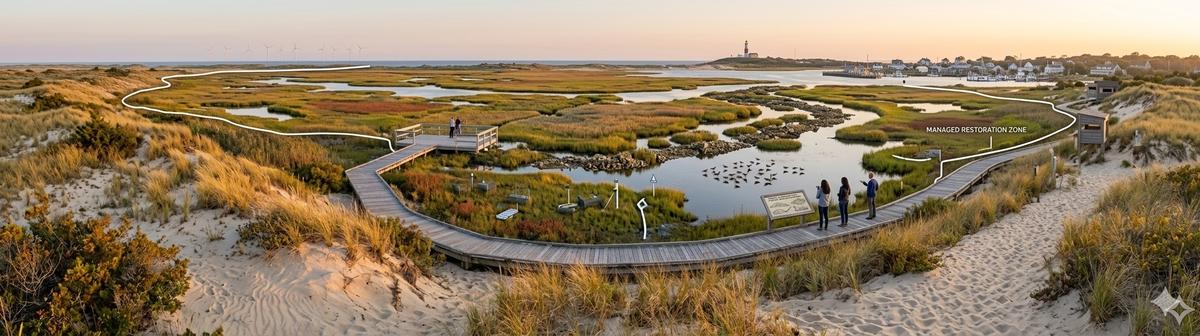
New York State's tidal and freshwater wetlands laws can impose significant restrictions on what property owners are permitted to build, clear, or fill on their own land. DEC jurisdiction in these areas can extend well beyond the visible wetland boundary, and Army Corps of Engineers oversight adds a federal dimension. Many homeowners discover these limitations only after purchasing property or when attempting to make improvements. Understanding the scope of regulatory jurisdiction — and the available pathways for permits or appeals — is an important first step.
Stormwater & Drainage Disputes
Changes to neighboring properties, aging municipal infrastructure, and increased storm intensity have made stormwater and drainage disputes increasingly common in our region. When water from an adjacent property or public system is causing damage, the legal questions involved — nuisance, trespass, municipal liability — can be more complex than they first appear. These situations often benefit from early legal assessment to understand what remedies may be available.
Our Approach
Environmental and land use matters often involve multiple agencies, overlapping regulations, and significant financial stakes. At Ward & Rafter, we take the time to understand the full picture before advising our clients on next steps. We believe that informed clients make better decisions — and that clear, practical legal guidance is the foundation of effective representation in this area.
Whether you are at the beginning of a problem or already in the middle of an agency proceeding, we are available to discuss your situation and help you understand your options. Every matter is different, and we tailor our counsel to the specific facts and goals of each client.
Why Choose Ward & Rafter
Regional Knowledge: We understand the environmental issues that are most relevant to property owners on Staten Island and Long Island — from post-Sandy flood regulations to the legacy of underground oil storage tanks to DEC wetlands enforcement.
Practical Counsel: Environmental law is dense and often counterintuitive. We translate complex regulatory requirements into clear, plain-language advice so you can make confident decisions.
Litigation-Ready: We approach every matter with the discipline of litigators — thorough, prepared, and focused on protecting our clients' interests at every stage.
Client-Centered: Environmental issues can be stressful and financially consequential. We keep our clients informed, respond promptly, and remain focused on outcomes that serve their interests.
Have an Environmental or Land Use Question?
If you are dealing with a flood zone issue, a contamination concern, a wetlands restriction, or any other environmental matter affecting your property, Ward & Rafter is here to help you understand your situation and your options. Contact us to schedule a consultation.