July 24, 2026 · Condominium & HOA Law
Disclaimer: The information provided in this article is for general informational purposes only and does not constitute legal advice. Reading this article does not create an attorney-client relationship between you and Ward & Rafter, LLP. Every legal matter is unique, and the information above may not apply to your specific situation. You should not act or refrain from acting based on any information on this website without first consulting a licensed attorney. If you have a legal question, please contact us to discuss your matter.
Most homeowners associations in New York hold title to certain areas that benefit every member. These are called common elements. They include roads, drainage areas, green space, and often the ground where underground utilities run. A homeowner does not own these areas just because the space sits near their lot line. Ownership stays with the association.
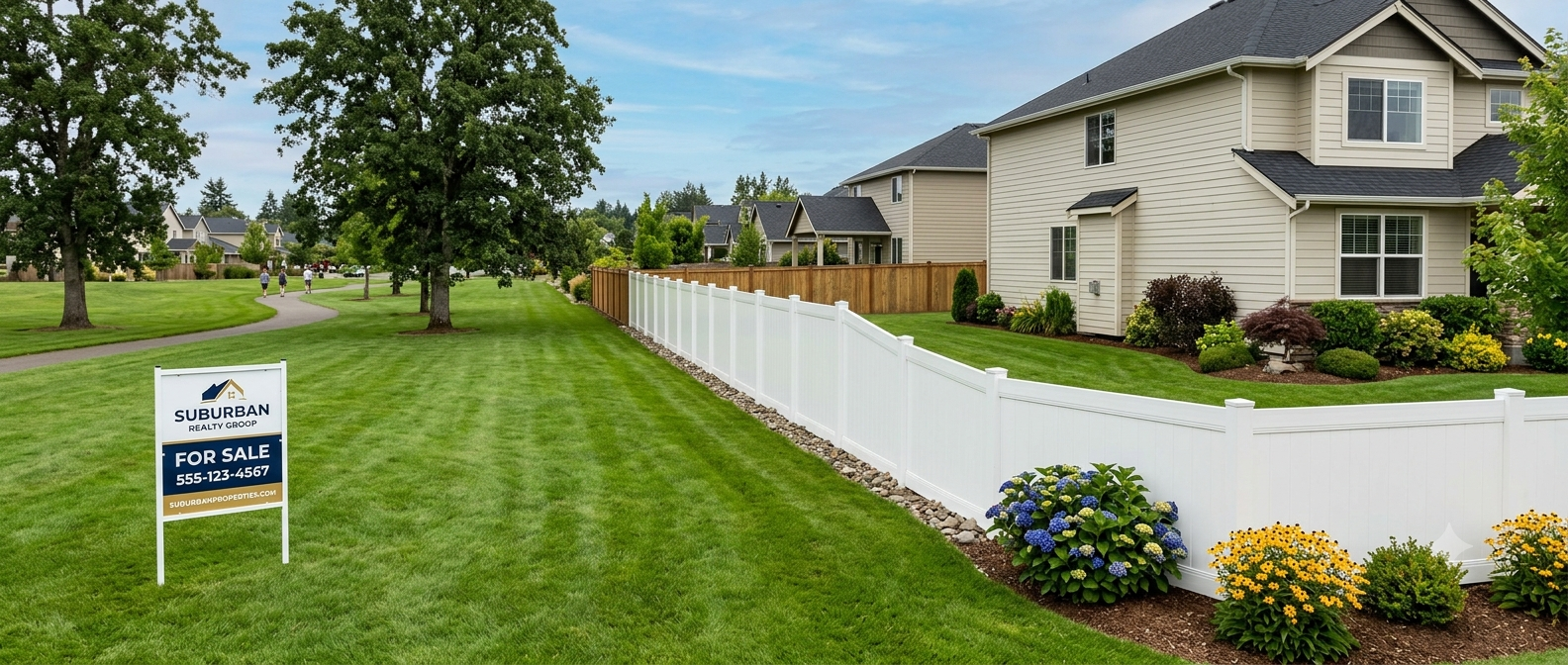
When a homeowner installs a fence, shed, retaining wall, or landscaping feature on association property, the structure becomes an encroachment. It does not matter whether the homeowner believed the land was theirs. Good faith does not create ownership.
Why This Is Different From a Neighbor Dispute
A boundary fight between two private homeowners is often resolved with a survey and a conversation. An encroachment onto common elements is different. The association has an obligation to every member, not just the two neighbors involved. A board that lets one homeowner keep a structure on common land while enforcing the rules against everyone else opens itself to claims of selective enforcement. That inconsistency can undermine the association's ability to enforce its declaration and bylaws going forward.
The Practical Risks Boards Overlook
Encroachments are not just a cosmetic problem. Fences and other structures built on common elements frequently sit directly over or near infrastructure the association is responsible for maintaining. Sewer lines, drainage systems, and utility easements often run beneath areas that look like ordinary open space. A structure that blocks access to that infrastructure can delay repairs, increase repair costs, and expose the association to liability if a maintenance issue goes unaddressed because a crew cannot reach it.
There is also a long-term ownership risk. Structures left in place for years without objection can eventually support a claim of adverse possession or a prescriptive easement under New York law. A board that ignores an encroachment today may be dealing with a much harder legal fight later.
What a Board Can Do
New York associations generally have several tools available once an encroachment is identified. The declaration and bylaws typically give the board authority to demand removal of unauthorized structures on common property. A written notice describing the encroachment and demanding removal within a set period is usually the first step.
If the homeowner does not comply, the board can pursue a court action seeking an order directing removal and an injunction preventing further use of the common area. Many governing documents also allow the association to recover attorney's fees and litigation costs from the homeowner if the board is successful, which shifts the financial burden away from the membership as a whole.
Consistency Matters
Boards should apply these rules the same way every time. An association that enforces encroachment violations against one homeowner while overlooking another creates real legal exposure. Consistent documentation, from the initial survey to the notice letters, protects the association if the matter ends up in litigation.
Acting Early Protects the Membership
An encroachment on common property affects every owner in the association, not just the homeowner next door to it. Addressing the issue early, through clear notice and a documented process, gives the board the strongest position if the matter cannot be resolved without going to court.
Readers with questions about an encroachment on common elements or guidance on enforcing governing documents should consult a qualified attorney. Contact Ward & Rafter, LLP to discuss your situation.