June 5, 2026 · Environmental Law & Land Use
Disclaimer: The information provided in this article is for general informational purposes only and does not constitute legal advice. Reading this article does not create an attorney-client relationship between you and Ward & Rafter, LLP. Every legal matter is unique, and the information above may not apply to your specific situation. You should not act or refrain from acting based on any information on this website without first consulting a licensed attorney. If you have a legal question, please contact us to discuss your matter.
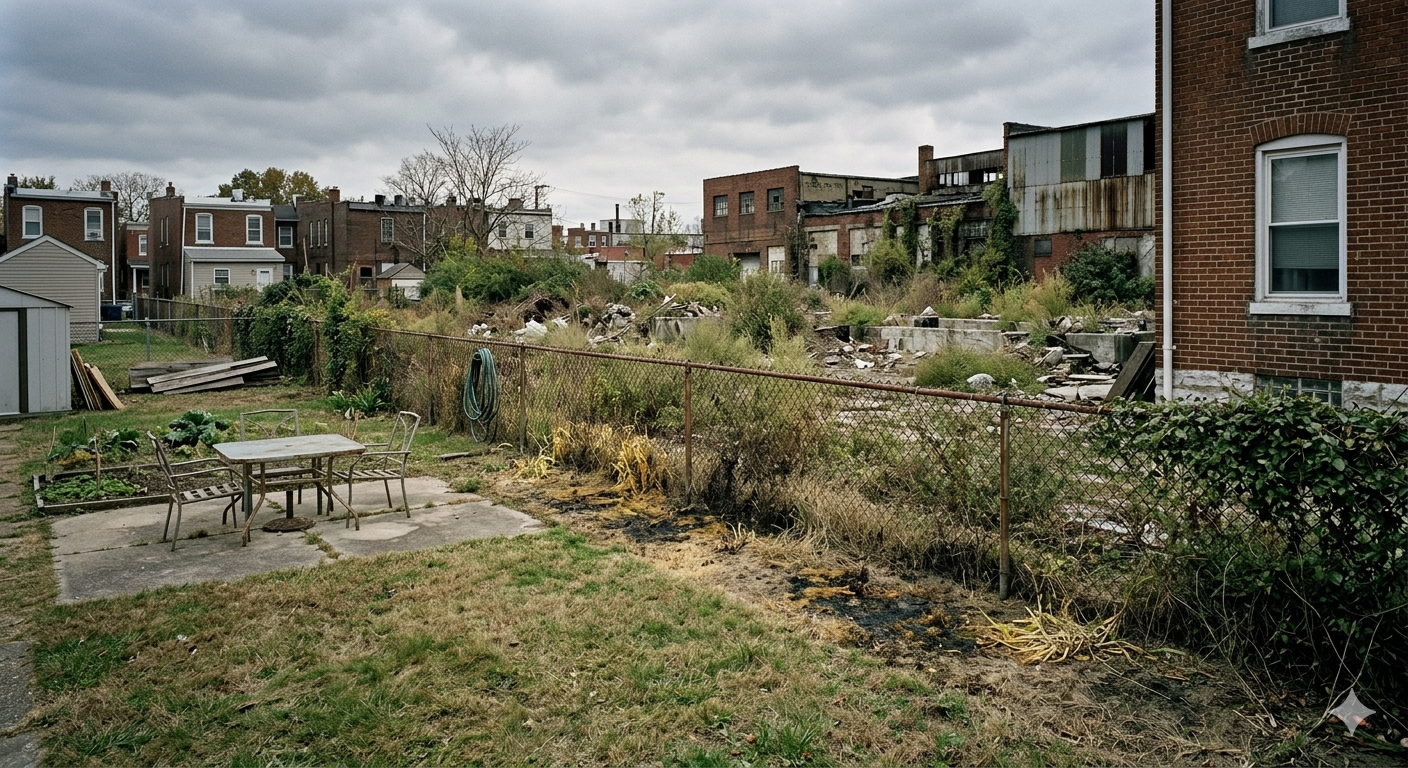
Contamination does not respect property lines. A dry cleaner that dumped solvent for thirty years, a gas station with a leaking underground tank, a former factory that left chemicals in the soil, an industrial neighbor whose runoff has been seeping into your yard for decades. When hazardous substances migrate from one property onto another, the people living and working next door bear the consequences without having caused the problem. In New York, they also have legal options.
Toxic tort law is the body of civil law that allows individuals harmed by exposure to hazardous substances to seek compensation from the party responsible for the contamination. It is not a government enforcement action. It does not require the EPA or the DEC to get involved first. It is a private lawsuit brought by the person who was harmed, against the entity that caused the harm.
What Qualifies as a Toxic Tort Claim
A toxic tort claim in New York generally requires three things: a source of contamination, exposure to that contamination, and harm caused by the exposure. The harm can take different forms. Personal injury claims arise when exposure to a hazardous substance causes or contributes to a health condition, anything from respiratory illness to cancer to neurological damage. Property damage claims arise when contamination reduces the value of land, renders a property unsellable, or requires costly remediation. Both types of harm can be pursued in the same lawsuit.
The contamination itself can come from many sources. Dry cleaning chemicals, particularly perchloroethylene, have leached into the soil and groundwater beneath commercial strips across Staten Island and Long Island for generations. Petroleum from underground storage tanks at gas stations and heating oil installations migrates through soil and into neighboring properties regularly. Industrial solvents, heavy metals, and other hazardous substances from manufacturing operations that closed decades ago can still be present at harmful levels today. The passage of time does not eliminate the harm or necessarily bar the claim.
Who Can Be Held Responsible
The party responsible for a toxic tort claim is the one whose actions caused the contamination to exist and migrate. That can be a current property owner who continued operations that caused releases, a former owner who created the contamination before selling, a company that manufactured or used the chemicals, or a tenant whose business generated the hazardous waste. In some cases, multiple parties share responsibility and each can be named in the lawsuit.
The key is tracing the contamination to its source. That requires environmental testing, often soil sampling and groundwater analysis, to establish what is present and where it is coming from. It also frequently requires expert testimony from environmental scientists or engineers who can explain the migration pathway from the source property to the affected one. Building that evidentiary foundation early is what separates a viable claim from one that stalls.
Property Damage Without Personal Injury
Not every toxic tort case involves someone getting sick. A property owner who discovers contamination migrating onto their land from a neighboring site can pursue claims for diminution in value, the cost of investigation and remediation, and interference with the use and enjoyment of the property. Under New York law, theories including private nuisance, trespass, and negligence are all available to property owners whose land has been contaminated by a neighbor's activities.
Private nuisance in particular is a well-established avenue for these claims. If a neighboring property owner's use of their land substantially and unreasonably interferes with your use and enjoyment of yours, including by allowing contaminants to migrate onto your property, New York courts have recognized that as an actionable nuisance. You do not have to be sick to have a claim. You do have to show that the contamination is real, that it came from the neighboring property, and that it has caused measurable harm to your property or its value.
Time Limits Matter
New York's statute of limitations for toxic tort claims is generally three years from the date of discovery of the injury or the contamination. That sounds simple, but the discovery rule in these cases can be complicated. When does the clock start? When you first smelled something odd? When you had your soil tested? When a doctor connected your diagnosis to chemical exposure? These questions have real consequences for whether a claim is timely, and they need to be analyzed carefully.
One important development worth knowing: in 2022 New York enacted legislation creating a longer window for certain environmental exposure claims, recognizing that the effects of toxic exposure often do not manifest for years or even decades after initial contact. The specific contaminant and the nature of the harm both affect which limitations period applies.
What to Do If You Suspect Contamination
Document everything. Unusual odors, discoloration of soil or water, dead vegetation in patterns, or health symptoms shared among neighbors are all worth recording. If you have concerns about contamination on or near your property, environmental testing is the starting point. That testing creates the record you will need if you pursue a legal claim, and it establishes when you discovered the problem, which matters for the statute of limitations.
Do not assume the government will handle it. Regulatory agencies move slowly, their remediation priorities do not always align with the needs of individual property owners, and an agency cleanup does not compensate you for your damages. A private lawsuit does.
Property owners, residents, and businesses with questions about contamination, toxic exposure, or environmental claims in New York should consult a qualified attorney experienced in environmental litigation. Contact Ward & Rafter, LLP to discuss your situation.