August 19, 2026 · Environmental Law
Disclaimer: The information provided in this article is for general informational purposes only and does not constitute legal advice. Reading this article does not create an attorney-client relationship between you and Ward & Rafter, LLP. Every legal matter is unique, and the information above may not apply to your specific situation. You should not act or refrain from acting based on any information on this website without first consulting a licensed attorney. If you have a legal question, please contact us to discuss your matter.
When New York voters approved the Green Amendment in 2021, it added a right to clean air and water, and a healthful environment directly into the state constitution. Since then, community groups and individuals have tried to use that language to force government agencies into taking action against facilities they believe are causing harm. A February 2026 decision from the Appellate Division, Third Department shows just how far that strategy can go, and where it runs out of road.
The Norlite Case
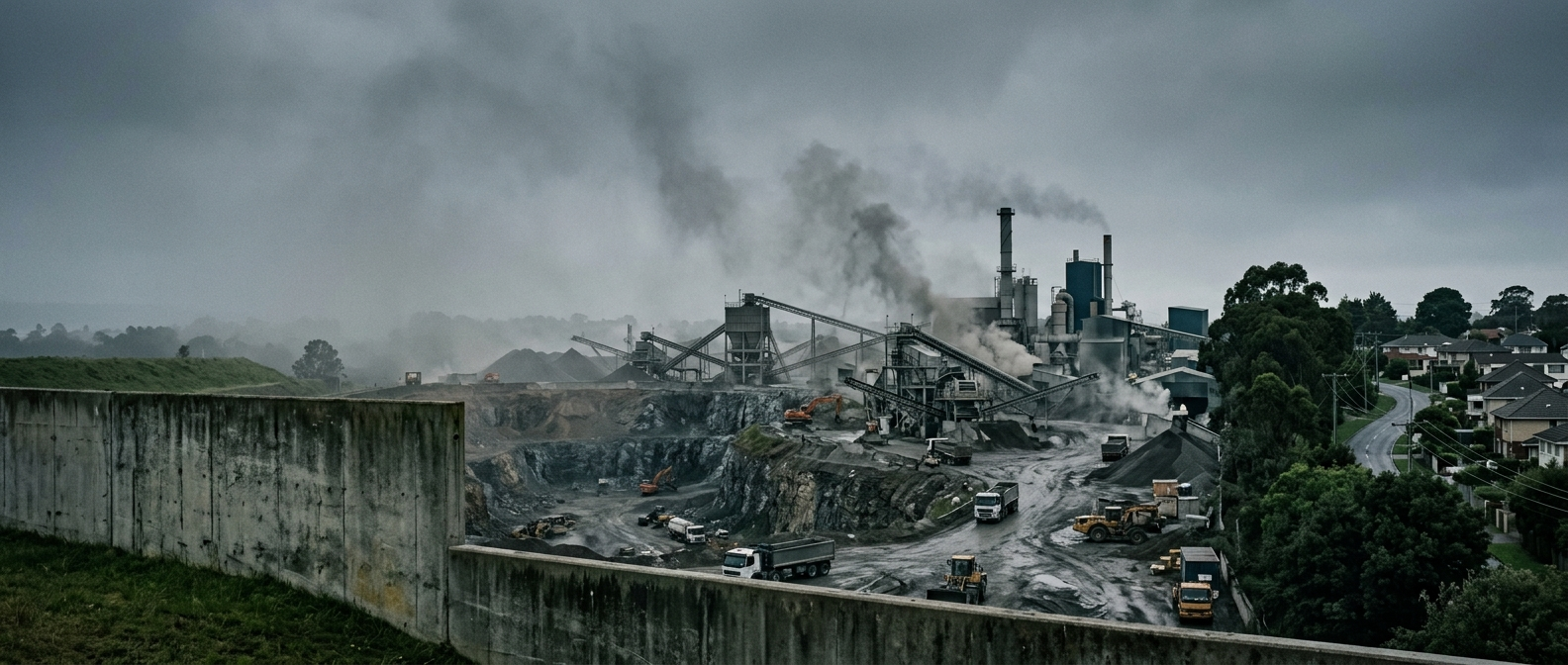
The dispute centered on an industrial facility in Albany County that mines shale and processes it into aggregate. Nearby residents reported years of exposure to dust clouds from the site. The state Department of Environmental Conservation issued multiple notices of violation over the facility's fugitive dust emissions, and the company paid more than half a million dollars in penalties and environmental benefit contributions over time.
When the state eventually sued the facility for public nuisance and permit violations, a group of affected residents and organizations intervened. They went a step further than the state's own claims, asking the court to declare that DEC's decision to keep permitting the facility violated their Green Amendment rights, and to order DEC to revoke the company's permits outright.
Why the Claim Was Dismissed
The trial court dismissed that claim, and the Third Department agreed. The court's reasoning came down to two points that matter for anyone considering a similar case.
First, the Green Amendment does not create an independent, self-executing right to sue that goes beyond New York's existing environmental laws. The court looked at the amendment's legislative history and noted that, unlike similar provisions adopted in some other states, New York's version does not include language authorizing citizens to bring enforcement actions. Lawmakers who sponsored the amendment acknowledged at the time that it would not create new rights of action beyond what already existed under nuisance law, land use law, and negligence claims.
Second, even framed as a request for declaratory relief, the residents' claim was really an attempt to force DEC to take a specific enforcement action against a private company. New York law treats that kind of claim as a request for mandamus, a remedy that is only available when an agency has a mandatory, non-discretionary duty to act. DEC's enforcement authority here was discretionary. The relevant statutes give the agency the power to modify, suspend, or revoke a permit, and list factors it may consider, rather than requiring one specific outcome. Because DEC could reasonably choose from a range of responses, from fines to operational changes to permit revocation, the court could not order it to pick one.
What This Means for Communities and Property Owners
This decision does not eliminate every avenue for a private citizen affected by pollution or contamination. It simply confirms that the Green Amendment itself is not a new sword. Existing causes of action, including private nuisance, trespass, and negligence claims against the entity actually causing the harm, remain available where the facts support them. What the Green Amendment does not do, at least under this ruling, is let a private party go around those existing claims and use the constitution to compel a state agency to enforce its own regulations in a particular way.
For property owners, businesses, and community members dealing with contamination or environmental conditions affecting their health or property values, this distinction matters. The right target for a lawsuit is often the party responsible for the contamination, not the regulator overseeing it.
Anyone dealing with a specific environmental contamination issue should consult a qualified attorney to evaluate what legal options are actually available. Contact Ward & Rafter, LLP to discuss your matter.